Unveiling the Marvel: A Deep Dive into Snake Skin's Secrets
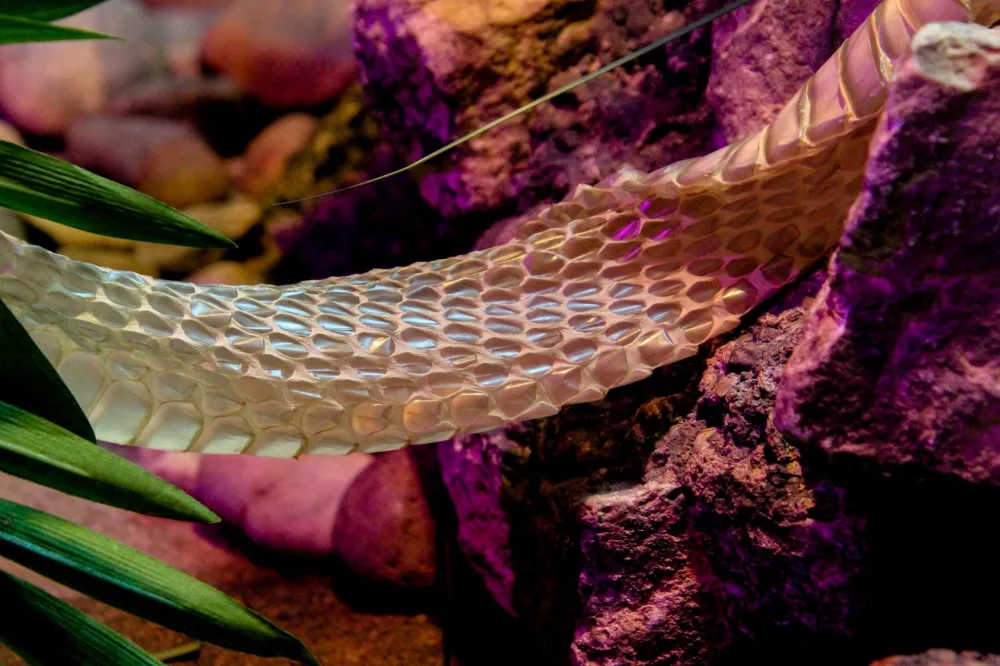
When I think about the animal kingdom's incredible adaptations, snake skin consistently pops into my mind. It's not just a covering; it's a dynamic, multifaceted marvel, serving so many critical roles for these fascinating reptiles. Honestly, it’s far more complex and interesting than most people realize. We're going to explore what makes it so special, from its microscopic structure to its vital functions and the amazing process of shedding.
The Amazing Architecture of Snake Skin
So, what exactly is snake skin made of? At a glance, it might look like a single, seamless garment, but believe me, it's a sophisticated biological structure. It really is quite intricate.
Epidermis and Dermis: Layers of Life
Like our own skin, a snake's skin has two primary layers: the epidermis and the dermis. The epidermis is the outer layer, the one you actually see and touch. It's tough, resilient, and made predominantly of keratin, the same protein that makes up our hair and fingernails. This outer layer isn't static; it's constantly being renewed from cells generated in the basal layer. Below this, we find the dermis, which is thicker and contains connective tissues, blood vessels, nerves, and pigment cells. This inner layer provides structural support and nourishes the epidermis. It's where all the vibrant colors and patterns originate, making each snake's appearance truly unique.
Scales: Nature's Armor
The most distinguishing feature of snake skin, in my opinion, is its scales. These aren't just stuck on; they're actually folds of the epidermal layer. The size, shape, and arrangement of scales vary wildly between species, and these differences are incredibly useful for identification. I find it absolutely fascinating how they interlock, creating a protective yet flexible barrier. Think of it like a chainmail suit, allowing for incredible movement while offering robust defense.
- Ventral Scales: On the belly, these scales are typically broad and rectangular. They're super important for locomotion, gripping surfaces as the snake pushes itself forward.
- Dorsal Scales: These are on the back and sides, and they can be smooth, keeled (ridged), or granular. Their texture often helps with camouflage and even makes it harder for predators to get a grip.
- Subcaudal Scales: Found underneath the tail, they can be single or divided, another handy trait for species identification.
More Than Just a Covering: Functions of Snake Skin
Snake skin isn't just a pretty wrapper; it performs a whole host of functions essential for survival. When you really think about it, it's a masterpiece of natural engineering.
Protection & Defense
First and foremost, the skin offers superb protection. It acts as a robust shield against physical injury, abrasions, and impacts as the snake moves through harsh environments. It's also an excellent barrier against dehydration, which is super critical for reptiles. Pathogens, parasites, and UV radiation are also kept at bay by this tough outer layer. Without it, snakes wouldn't last long at all in the wild, that's for sure.
Locomotion: Slithering Efficiency
I mentioned ventral scales earlier, and their role in movement is truly something to behold. The broad belly scales provide traction, allowing snakes to push off irregularities in the ground. They can actually lift segments of their ventral scales and push against surfaces, creating that classic slithering motion. It's a remarkably efficient way to move without limbs, don't you think?
Camouflage & Communication
The colors and patterns on snake skin are often breathtaking, but they're rarely just for show. Most serve as incredibly effective camouflage, allowing snakes to blend seamlessly into their surroundings. Whether it's the mottled browns of a viper in leaf litter or the vibrant greens of an arboreal snake in foliage, the skin is key to their stealth. Some patterns, though, are a bold warning to predators – think of the bright bands of a coral snake. It’s a clear message: 'Don't even think about it!'
Sensory Perception
While not a primary sensory organ like eyes or a tongue, the skin does contribute to a snake's perception of its environment. Specialized scales can detect vibrations, and the overall sensitivity of the skin helps them feel temperature changes and even the presence of prey or predators nearby. It’s part of their whole sensory toolkit.
The Phenomenon of Ecdysis: Snake Shedding
Perhaps one of the most iconic aspects of snake skin is the act of shedding, or ecdysis. This isn't just a casual discarding of old skin; it's a vital biological process.
Why Do Snakes Shed?
Snakes shed for several important reasons, and I think it’s crucial to understand these. Firstly, because their skin doesn't grow with them, they have to shed their old, tight skin to allow for growth. It's like us needing bigger clothes as we grow. Secondly, shedding helps remove parasites, mites, and even small injuries or scars on the outer layer of skin. It’s a regular renewal process, keeping them healthy and clean. It’s a fresh start, really.
The Shedding Process: A Detailed Look
The process itself is quite fascinating to observe. Before a shed, a snake’s colors will often dull, and its eyes might become cloudy or opaque, a condition sometimes called 'blue eyes.' This happens because a lubricant fluid starts to build up between the old and new skin layers, readying the old skin for separation. During this period, snakes can be quite vulnerable, as their vision is impaired, and they might become more reclusive or defensive. I’ve seen this many times with my own eyes, and it’s always a good reminder to give them space.
Once the fluid has done its job, the snake will typically rub its snout against rough surfaces – rocks, branches, even cage decorations – to start the process. They work the old skin back from their head, peeling it off inside out, much like you'd take off a sock. A healthy snake will usually shed its skin in one continuous piece, including the clear spectacle scales that cover its eyes. Finding a perfectly intact shed skin is always a cool moment, showing that the snake is healthy and growing well. It's a pretty neat trick, if you ask me.
Diversity in Design: Colors, Patterns & Textures
If you've ever spent time looking at different snake species, you'll know that their skin is incredibly diverse. I find the sheer variety absolutely stunning.
- Vibrant Hues: From the vivid greens of a tree python to the dazzling reds and yellows of some coral snakes, coloration often serves as a warning or for camouflage. These pigments are located in the dermis.
- Intricate Patterns: Blotches, bands, stripes, and diamonds are just a few examples. These patterns are rarely random; they're incredibly effective at breaking up the snake's outline against its background, making it virtually invisible.
- Tactile Textures: Some snakes have smooth, iridescent scales, making them feel incredibly silky. Others, like many vipers, have keeled scales that give them a rough, almost sandpaper-like texture. These textures can impact how the snake moves, how well it grips surfaces, and even how it blends into its environment.
Human Fascination and Practical Applications
Our interaction with snake skin goes way beyond just admiration. People have been captivated by it for millennia, and we've found various uses for it.
Cultural Significance
Throughout history and across cultures, snakes and their skin have held deep symbolic meaning. They often represent transformation, rebirth (due to shedding), healing, and protection. You see this in ancient myths, art, and even modern iconography.
Fashion and Craftsmanship
Unfortunately, the beauty and durability of snake skin have also made it a sought-after material in the fashion industry for things like belts, bags, and shoes. While it’s certainly unique, I think it’s crucial that any use of animal products is done ethically and sustainably, adhering to all conservation laws. We have a responsibility to protect these creatures.
Scientific Research and Medical Potential
Scientists study snake skin for its remarkable properties – its flexibility, strength, and unique shedding process. Research into its structure could inspire new materials or even medical applications, like advanced wound dressings or protective coatings. It's a natural wonder with a lot to teach us.
Protecting These Scaly Wonders
Given the incredible complexity and vital role of snake skin, it's pretty clear that the health of a snake population is directly linked to the health of its skin. Conservation efforts for snakes are so important, not just for the animals themselves, but for maintaining balanced ecosystems. Habitat destruction, climate change, and illegal wildlife trade all pose serious threats. I believe we all have a part to play in ensuring these amazing creatures, and their incredible skin, continue to thrive for generations to come. They're truly masterpieces of evolution, and I hope we can appreciate and protect them better.
Editorial Team
Staff analyst and editor writing in-depth guides, analysis, and comprehensive coverage.